



If you’ve ever looked in the mirror and noticed a new dark patch or a cluster of "sun spots" that wasn’t there last season, you aren't alone. Dealing with uneven skin tone can feel like a game of whack-a-mole. As soon as you fade one spot, another seems to appear. To win the battle for a radiant complexion, you first need to understand what you're fighting.
At Dermasensa, we believe that professional results start with professional knowledge. Let's break down the "umbrella" of hyperpigmentation and why your stubborn spots might actually be melasma.
The Hyperpigmentation Umbrella
Think ofhyperpigmentation as the broad, catch-all term for any area of skin that produces excess melanin, making it appear darker than the surrounding tissue. It is the "umbrella" that covers several different types of discoloration, including:
-
Post-Inflammatory Hyperpigmentation (PIH): Those red or brown marks left behind after a breakout or injury.
-
Solar Lentigines: Often called "age spots" or "sun spots," caused by years of UV exposure.
-
Melasma: A specific, complex form of hyperpigmentation.
What Makes Melasma Different
While general hyperpigmentation is usually triggered by direct sun damage or skin trauma,melasma is far more nuanced. Often called the "mask of pregnancy," it frequently appears as symmetrical, blotchy patches on the cheeks, forehead, or upper lip.
The key difference? Melasma is heavily influenced byhormonal shifts (like pregnancy or birth control) and even heat. While the sun makes it worse, the root cause is often internal. This makes melasma notoriously stubborn, requiring a sophisticated, multi-angled approach to treat effectively.
The Dermasensa Routine for Radiant Results
To fade existing pigment and prevent new spots from forming, our physicians recommend a regimen that blocks melanin production, accelerates cell turnover, and provides a physical shield.
1. Brighten and Block
-
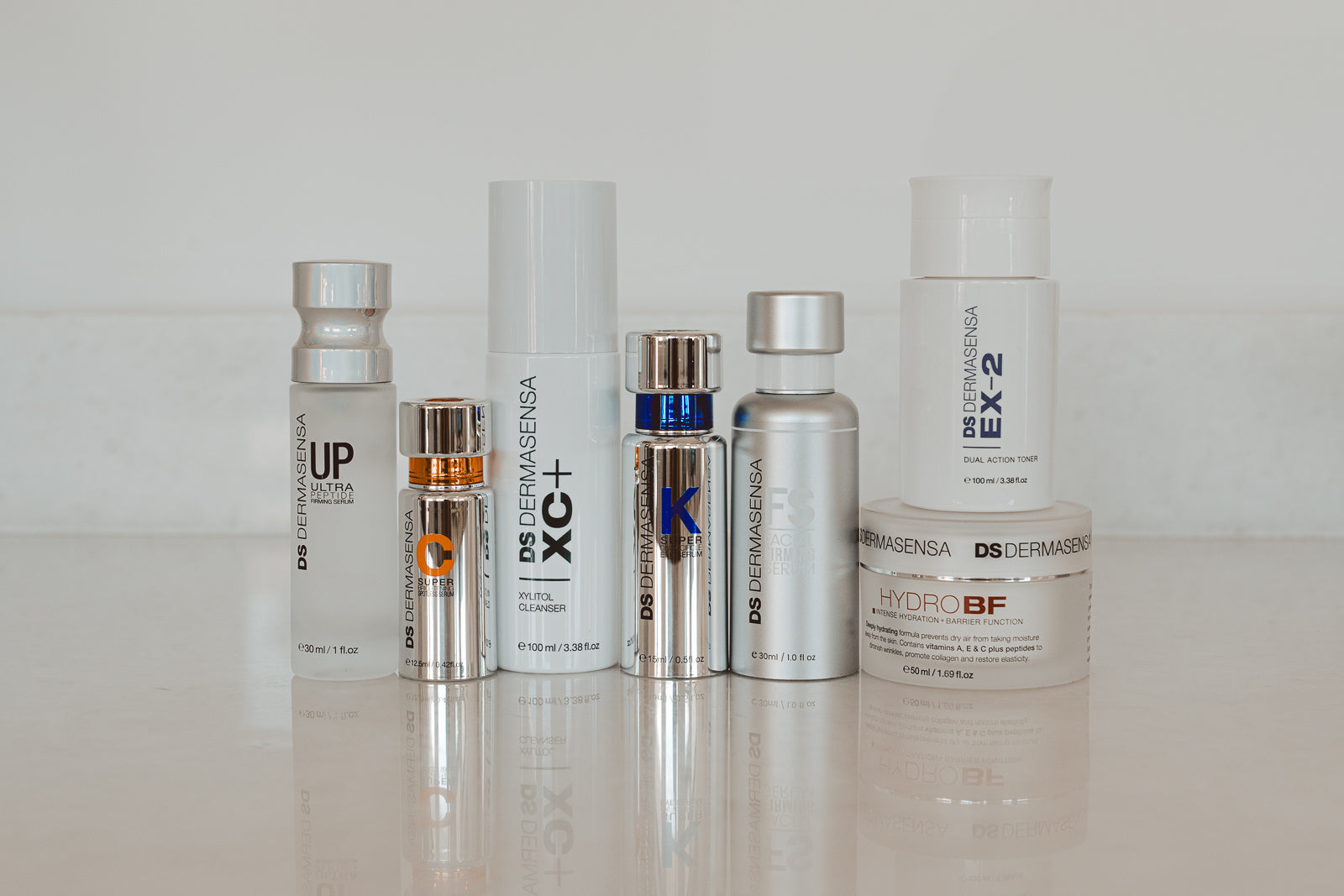
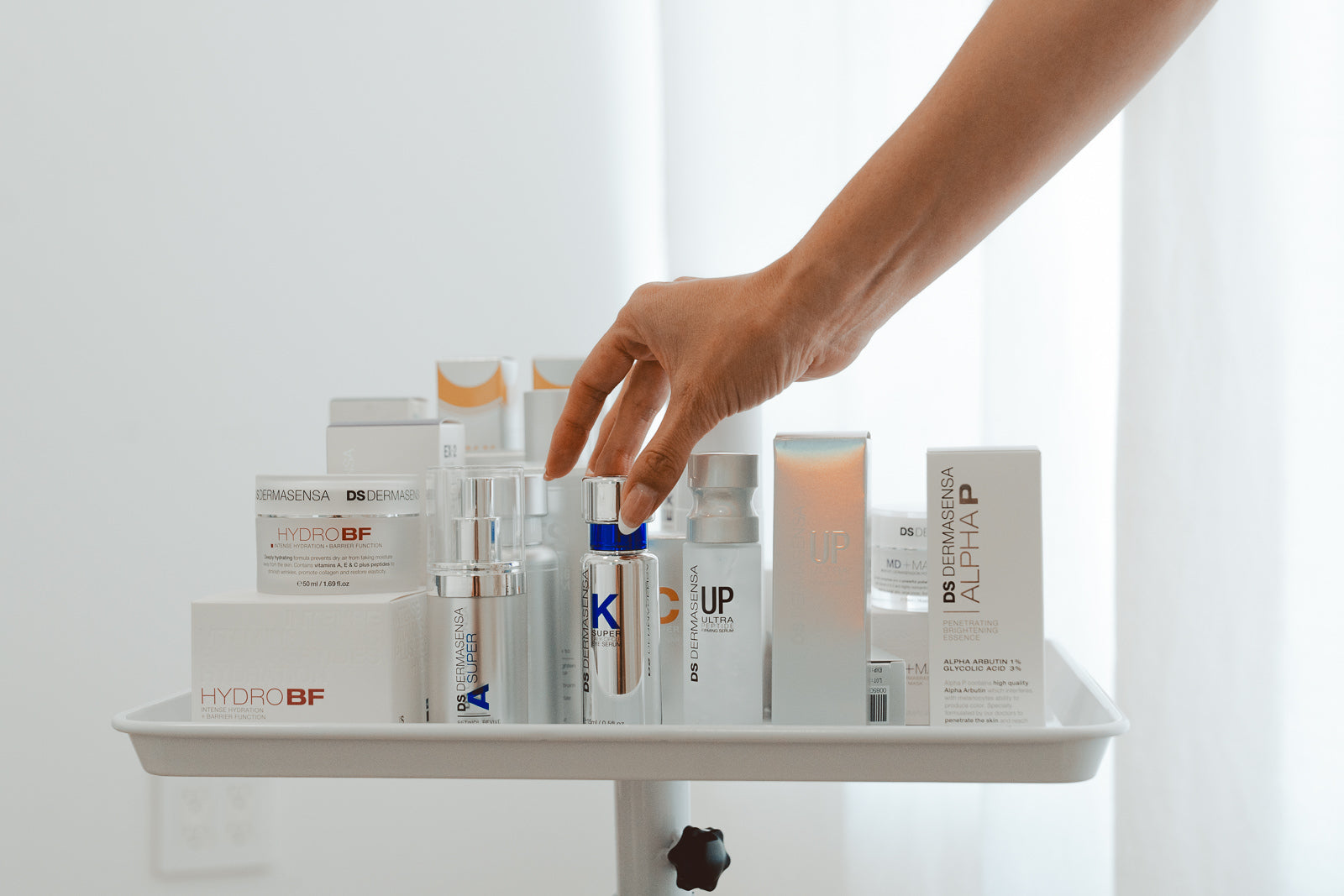
Alpha P Brightening Essence: This is a powerhouse for those avoiding harsh chemicals. It utilizesAlpha Arbutin to block melanin production and fade dark spots without the use of Hydroquinone.
-
C Super Serum: This fan-favorite uses20% THD-Ascorbic Acid—widely considered the gold standard of Vitamin C—to brighten the complexion and prevent photoaging.
-
The Alternative: If you have extra-sensitive skin,TRI C Serum is our gentler sister formula designed for the most reactive skin types.
2. Renew and Refine
-
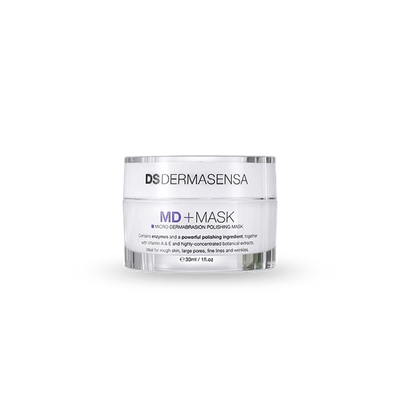
While cellular turnover is essential to "lift" melasma pigment, treatments containing retinol should not be used if you are pregnant or trying to conceive. Clinical research advises avoiding Vitamin A derivatives during this time due to the potential risk of systemic absorption affecting fetal development. Instead, maintain your results safely with ourMD+ Polishing Mask, which uses gentle fruit enzymes to renew the skin surface without the use of retinoids.
3. Support and Lift
-
UP Ultra Peptide Serum: If you're targeting pigment but also want to tackle aging, this is our "powerhouse." It contains a22% blend of pre- and post-synaptic peptides that relax expression lines and lift the face's outer contour while keeping the skin balanced. Plus, it helps to re-balance and re-store collagen production for new, healthy skin after encouraging skin cell turnover.
4. The Non-Negotiable: Protection
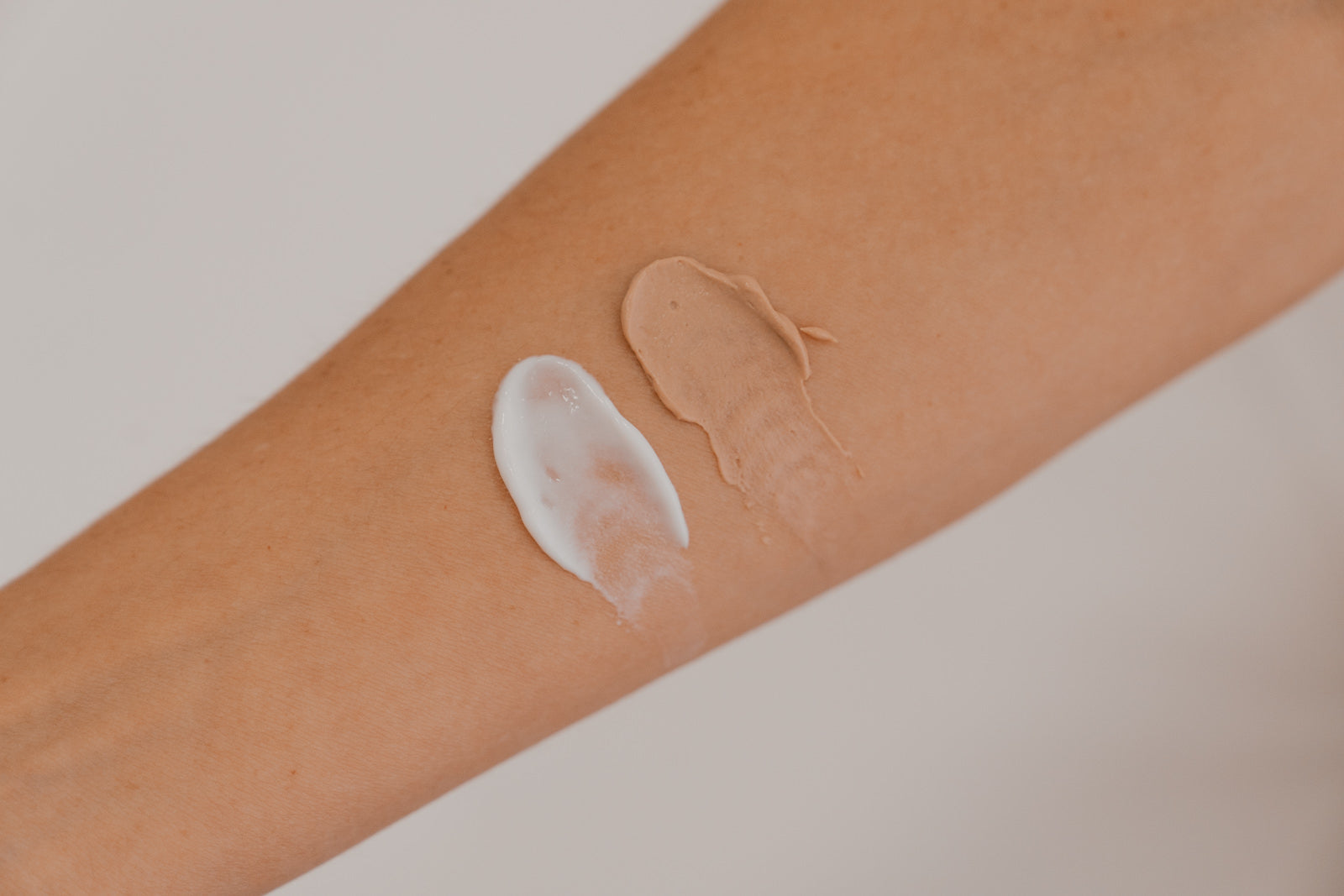
You cannot treat hyperpigmentation without serious SPF.UV-X Mineral Sunscreen SPF 40 is our premium physical barrier. Because it uses minerals to reflect light rather than chemicals to absorb it, it doesn't trap heat—which is a major win for melasma sufferers. It’s silky, matte, and available in both tinted and non-tinted versions to layer flawlessly under your makeup.
Ready to start your journey back to an even complexion? Explore the full line at Dermasensa and give your skin the physician-developed care it deserves.






Leave a comment (all fields required)