

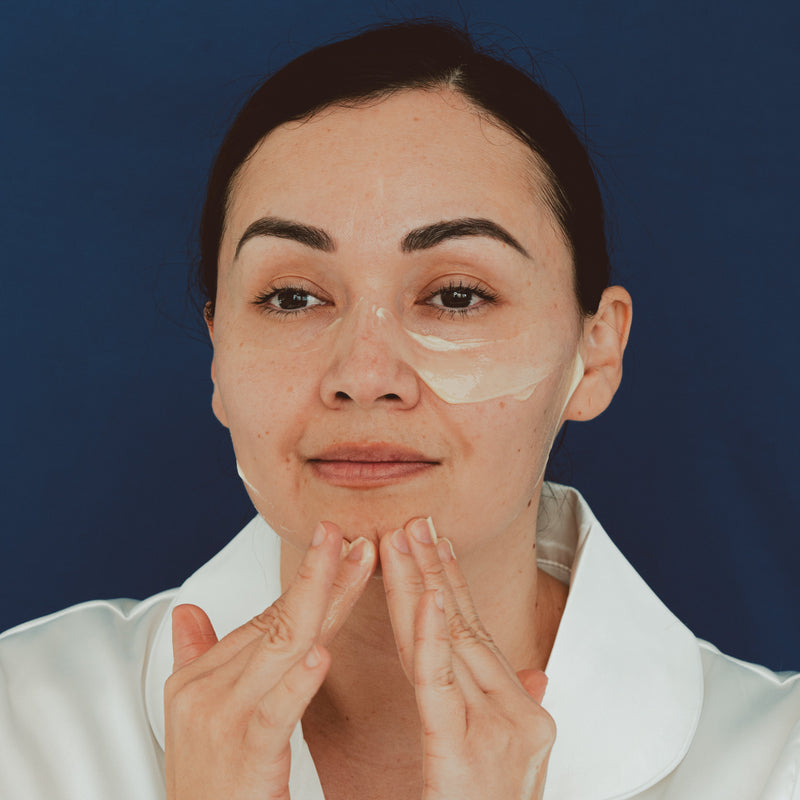

When temperatures drop, most people instinctively change their skincare routine. Hydration becomes a priority. Yet despite good intentions, winter is often when the skin barrier takes the biggest hit. Many of the habits that feel comforting in cold weather can quietly compromise barrier function, leading to dryness, sensitivity, inflammation, and inconsistent treatment results.
For clinics and patients alike, understanding these hidden winter stressors is key to maintaining resilient, healthy skin.
Why the Skin Barrier Matters in Winter
The skin barrier is responsible for retaining moisture and protecting against environmental stressors. It relies on a precise balance of lipids, ceramides, and natural moisturizing factors. In winter, low humidity, cold air, and indoor heating all reduce water content in the skin. When everyday habits further disrupt this balance, the barrier can struggle to recover.
A compromised barrier does not just feel dry. It becomes reactive, prone to breakouts, slower to heal, and less responsive to active ingredients or in-office treatments.
Winter Habit #1: Hot Showers and Long Cleansing Sessions
Hot showers feel like a necessity in winter, but prolonged exposure to hot water strips the skin of essential lipids. This weakens the barrier and accelerates transepidermal water loss.
Facial cleansing mistakes often mirror this habit. Over-cleansing, using water that is too warm, or massaging cleansers aggressively can leave the skin tight and vulnerable. In colder months, gentler cleansing and lukewarm water help preserve the lipid matrix the skin relies on for protection.
Winter Habit #2: Skipping Sunscreen Because It’s Cold
One of the most common winter misconceptions is that sunscreen is optional once summer ends. UV exposure remains consistent year-round, and snow can reflect UV rays, increasing exposure. Indoor environments also introduce visible light and environmental stressors that contribute to oxidative damage.
When sunscreen is skipped in winter, the skin barrier becomes more susceptible to inflammation and premature aging. Consistent daily sun protection is a foundational barrier-supporting habit, not a seasonal one.
Winter Habit #3: Overusing Actives to “Fix” Dryness
Dry, flaky skin often leads patients to increase exfoliation or layer multiple actives in an attempt to restore smoothness. While exfoliation has its place, overuse in winter can exacerbate barrier damage.
Cold weather already slows natural cell turnover. When combined with aggressive acids or retinoids, the skin may struggle to maintain cohesion between cells, leading to irritation, redness, and uneven texture. Winter routines benefit from a more supportive approach that prioritizes hydration and barrier repair over correction.
Winter Habit #4: Ignoring Indoor Air Quality
Indoor heating significantly lowers humidity levels, pulling moisture from the skin throughout the day and night. Patients may invest in high-quality skincare but overlook the impact of their environment.
Barrier health depends on consistent hydration. Without adequate ambient moisture, even well-formulated products have a harder time maintaining skin comfort and resilience. Small environmental changes, such as using a humidifier, can dramatically improve winter skin outcomes.
Winter Habit #5: Applying Products Too Quickly or Out of Order
In colder months, patients often rush through routines, applying products back-to-back without allowing proper absorption. This can reduce the effectiveness of humectants and barrier-supporting ingredients.
Applying products to slightly damp skin and allowing each layer time to absorb improves hydration retention and strengthens the barrier over time. Education around application technique is often just as important as the products themselves.
Supporting Barrier Health Through Winter
Winter skincare should be viewed as preventative care rather than damage control. Supporting the barrier leads to calmer skin, better tolerance of treatments, and more consistent results. This is especially important for clinics guiding patients through professional procedures during colder months.
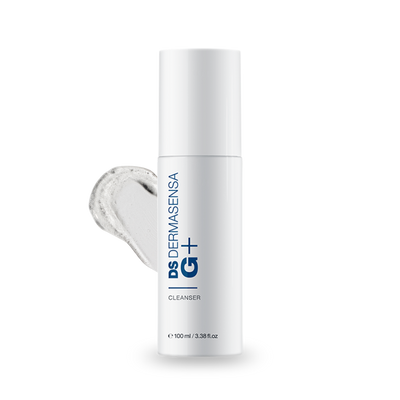
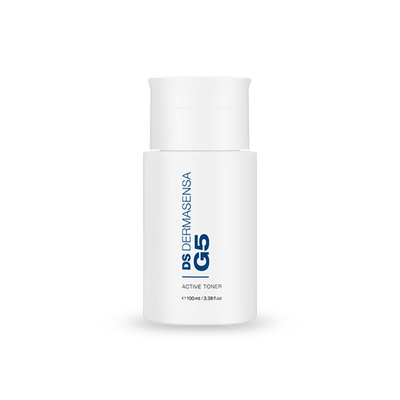
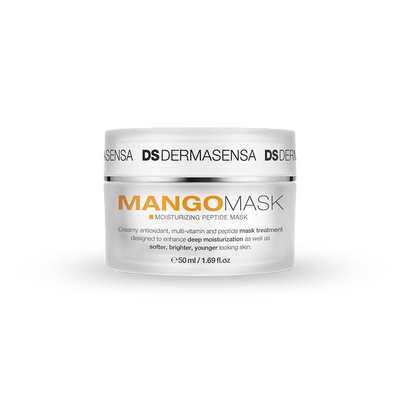
At Dermasensa, barrier health is central to formulation and routine design. When the skin barrier is supported, everything else works better.
For clinics and patients alike, winter is not the time to push harder. It is the season to protect, reinforce, and maintain the foundation that healthy skin depends on.








Leave a comment (all fields required)