



Most skincare routines don’t fail because of bad products. They fail because of human behavior.
The beauty industry often focuses on ingredients, actives and percentages. And while formulation absolutely matters, the real determining factor in whether your skin improves is something much simpler: consistency over time.
Skin responds to repetition. Collagen remodeling, barrier repair, pigment correction, acne regulation — none of these processes happen overnight. They happen with small, repeated inputs that compound. When routines are inconsistent, results are inconsistent.
So the question is: “What routine can you realistically maintain?”
Why Most Routines Fall Apart
Behavior research tells us that habits stick when they are:
-
Simple
-
Predictable
-
Low-friction
-
Integrated into existing rituals
Most skincare routines fail because they violate one or more of these principles.
Too many steps create decision fatigue.
Too many actives create irritation, which leads to quitting.
Too many conflicting products create confusion about what’s actually working.
And when irritation shows up — dryness, peeling, stinging — most people either panic and stop everything or overcorrect with more products. That cycle is exhausting and unnecessary.
The Missing Piece: Behavioral Design
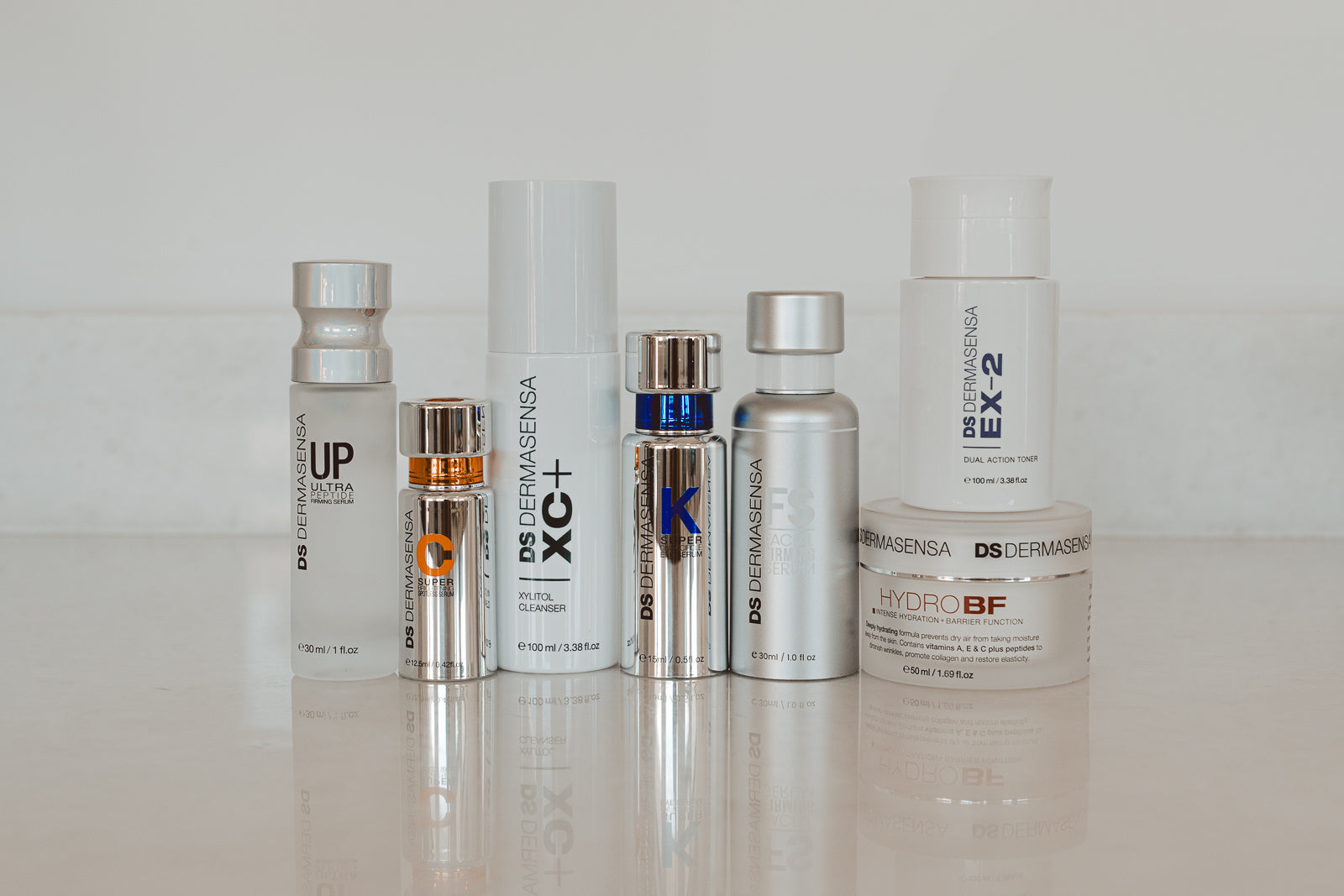
At Dermasensa, we think about skincare differently.
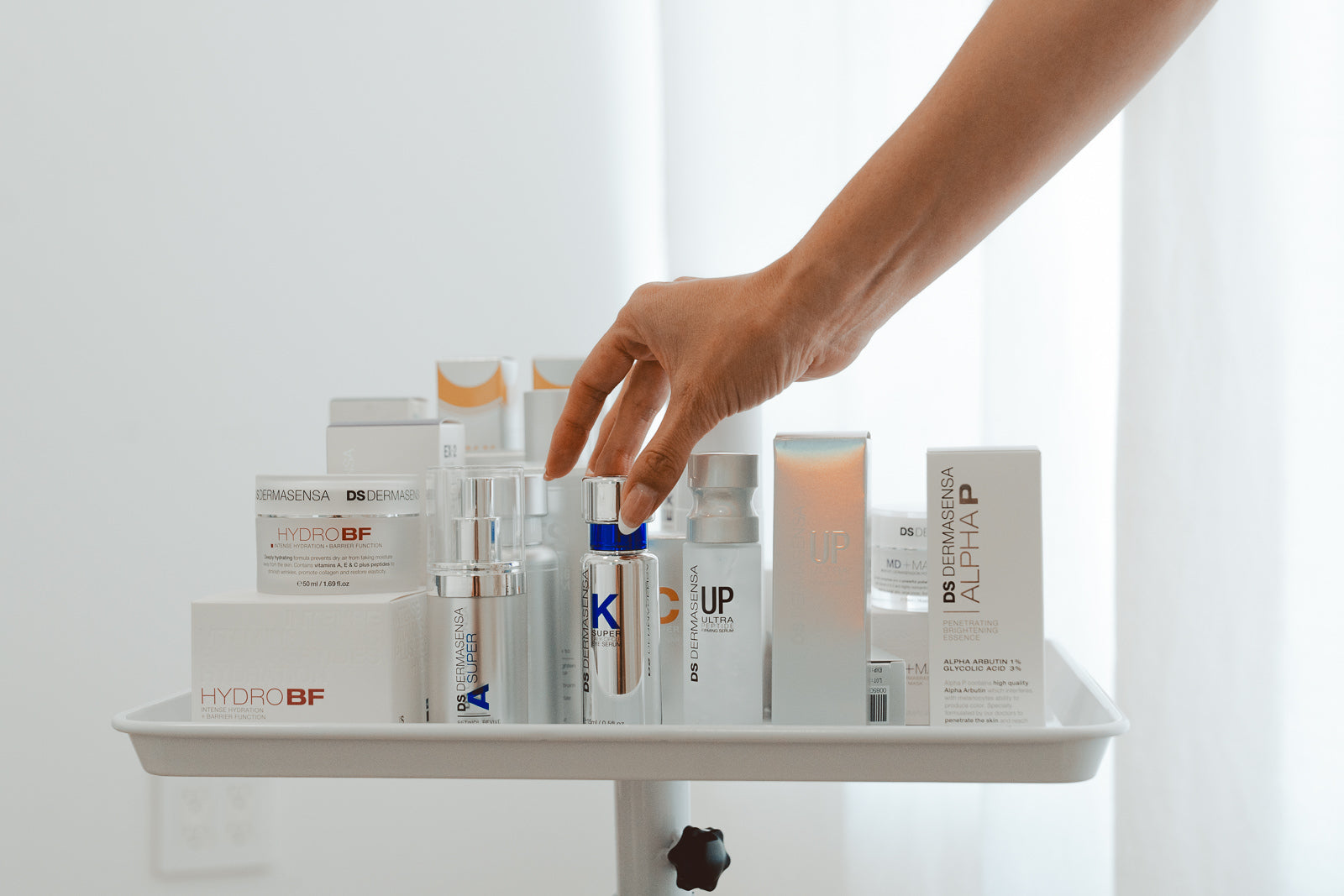
We care deeply about ingredients and clinical performance. But we also design routines that are psychologically sustainable. Because a routine that looks impressive on a shelf but never gets used consistently is ineffective.
Our approach is structured, repeatable, and adaptable:
Cleanse.
Tone.
Treat.
Moisturize.
SPF during the day.
That’s it.
This structure reduces friction. It eliminates guesswork, and it builds muscle memory. When a routine becomes automatic — something you do without negotiating with yourself — results compound.
Why Simplicity Produces Better Outcomes
There’s a common misconception that more products equal faster results. In reality, more products often mean more barrier disruption.
When the skin barrier is compromised, inflammation increases. Inflammation slows healing. Slower healing means inconsistent progress. Consistency requires tolerance. Tolerance requires balance.
That’s why Dermasensa routines are built around:
-
Barrier-respecting formulations
-
Targeted treatments without unnecessary overlap
-
Options tailored to different skin needs (dry, sensitive, acne/oily, anti-aging)
-
Products that layer well without competing
Whether you’re managing breakouts, supporting aging skin, calming sensitivity, or replenishing dryness, the structure remains steady. The treatment step adapts — the system stays intact.
Short-Term Wins vs. Long-Term Change
Behavior science also shows that small early wins increase adherence.
When skin feels calmer, less reactive, more hydrated within the first few weeks, you’re more likely to continue. When irritation dominates the early experience, motivation drops.
We formulate for visible progress without aggressive cycles that push your skin into distress.
Long-term results — smoother texture, improved tone, reduced breakouts, firmer appearance — are built on months of repetition. Not viral trends. Not extreme routines. Not constant product hopping.
Repetition is what creates change at the cellular level.
Building a Routine That Actually Sticks
If your current routine feels overwhelming, ask yourself:
-
Can I do this morning and night without thinking?
-
Does this routine fit into my actual life?
-
Does it respect my skin barrier?
-
Can I maintain this for 6 months?
If the answer is no, simplify.
Anchor your routine to something you already do daily: brushing your teeth, showering, making coffee. Reduce the number of variables. Stay consistent long enough to evaluate real progress.
Your skin doesn’t need novelty. It needs stability. Dermasensa routines are built to work with your lifestyle and daily rituals, not against them. Structured enough to guide you. Flexible enough to fit you. Effective enough to reward repetition.
If you’ve struggled to “stick with” skincare before, it wasn’t a lack of discipline. It was likely a lack of sustainable design.
If this reframes how you think about skincare, save or bookmark this post. Come back to it the next time you’re tempted to overhaul your routine overnight.














Leave a comment (all fields required)